Why Do Some Ant Species Ignore Liquid Sugar Baits While Others Swarm Them

Ant species ignore sugar baits when the colony’s current biological cycle prioritizes protein for larval development rather than carbohydrates for adult energy. Additionally, “fat-loving” ants naturally prefer lipids over sugars, while “sugar-loving” species may become bait-averse if they have a steady natural honeydew source. Understanding these dietary pivots is the first step in breaking the pest life cycle and achieving total colony elimination.
The Nutritional Pivot: Protein vs. Carbohydrates
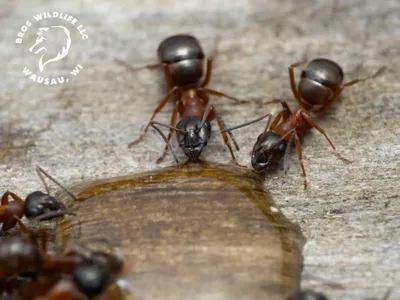
If you have ever placed a store-bought plastic bait station on your kitchen counter only to watch a trail of ants walk right past it, you have witnessed a “dietary shift.” Ant colonies do not consume the same food source year-round. Their nutritional requirements are dictated by the specific needs of the Queen and the developing brood inside the nest.
Comparison of Ant Dietary Phases
| Phase | Primary Goal | Preferred Food Source | Likely Bait Success |
| Growth Phase | Larval development & queen health. | Proteins/Fats (insects, meat, grease). | Low-sugar, high-protein baits. |
| Foraging Phase | Energizing adult workers for travel. | Carbohydrates (sugars, nectar, and soda). | High for liquid sugar baits. |
| Expansion Phase | Establishing satellite nests. | Balanced (mixed nutrients). | Moderate for all bait types. |
The Brood Cycle and Foraging Behavior
The most common reason for bait refusal is the presence of a large number of larvae. Growing ant larvae require high amounts of protein and fats to develop into healthy adults. During these high-growth phases, the workers are under strict biological “orders” to bring back protein. If you offer them a liquid sugar bait during a protein-seeking phase, they will ignore it entirely in favor of a dead insect, a drop of grease, or even pet food.
Conversely, adult workers require carbohydrates (sugars) to fuel their high-energy foraging trips. During peak summer months, when the colony is established and workers are traveling long distances, sugar baits are often swarmed because they provide the immediate fuel the adults need. Successfully managing these pests requires general pest control that accounts for these complex biological shifts rather than relying on a single bait type.
The Species Factor: Not All Ants Have a Sweet Tooth
Beyond seasonal cycles, some species are genetically predisposed to ignore sweets. Identification is the cornerstone of effective Wausau pest control. Without knowing which species has invaded your home, any treatment is essentially a guessing game.
Common Dietary Classifications
- The “Sugar-Seekers”: Species like Odorous House Ants and Carpenter Ants are famous for their love of sweets. They often “farm” aphids for honeydew in the wild.
- The “Fat-Lovers”: Grease Ants (Thief Ants) and certain types of Pharaoh Ants often prioritize lipids and proteins. They are frequently found near ovens or pantries where oils and fats are stored.
- The “Opportunists”: Pavement Ants are highly adaptable and will switch between sugar and protein within the same day, depending on what the colony lacks.
During a recent audit for a property owner in Wausau, we discovered a massive infestation of grease ants that had ignored DIY sugar baits for over a month. By identifying the species and pivoting to a lipid-based baiting strategy, we achieved total control within a week.
Applying our Integrated Prevention and Structural Protection
We operate on a clear philosophy: protect the property, not just the moment. As a trusted provider of pest control in Wausau, we don’t just react to sightings; we use a strategic system designed to provide a permanent solution. This starts with an initial interior and exterior treatment that addresses the active population while laying the groundwork for long-term defense.
Advanced Exclusion & Encapsulation
Ants are tiny but opportunistic, entering through the smallest cracks in your foundation or gaps in window seals. Our Exclusion Services focus on Advanced Exclusion & Encapsulation, identifying these microscopic doorways and sealing them off. By reinforcing the home’s “shell,” we reduce the need for excessive chemical treatment indoors while providing lasting pest control in Wausau, WI.
Professional Wildlife Management and Habitat Modification
Ants often use “bridges” to enter your home, such as overgrown tree branches or shrubs touching the siding. Our approach to Professional Wildlife Management includes identifying these environmental triggers and providing Integrated Prevention and Structural Protection by modifying the habitat around your home.
Recurring Pest Protection and Monitoring
The biggest mistake property owners make is stopping treatment once the ants disappear. Ants are a seasonal pressure, and a colony that is quiet in the winter can explode in the spring. Our recurring Pest Protection plans include consistent monitoring, support, and service guarantees. This proactive stance ensures that we catch new foraging trails before they lead back to a full-blown infestation in your home.
Debunking the Myth: “Ants Are Always Attracted to Sugar”
A common industry myth is that “sweet” baits are a universal solution for all ant problems. This misconception is why many homeowners feel frustrated when their DIY efforts fail. If a colony is in a high-growth protein phase, workers will literally walk over a drop of honey to reach a protein source. Relying solely on sugar-based products is a reactive approach that fails to account for the colony’s shifting biology. Only a comprehensive strategy that includes multiple bait types and professional exclusion services can ensure the problem does not return.
People Also Ask (FAQ)
Why am I seeing more ants after you put out bait?
This is a good sign! It means the workers have accepted the bait and are recruiting their nestmates to feast. This “spike” in activity is necessary to ensure enough of the treatment reaches the queen.
Will the ants in my yard eventually come inside?
If there is a food or moisture source indoors, the answer is usually yes. This is why effective pest control must include a strong exterior perimeter barrier to stop foragers at the foundation.
How long does it take to see results?
For ants, you will usually see a significant reduction in activity within 7 to 10 days, though total colony elimination can take up to 21 days to complete, breaking the pest life cycle.
Strategic Protection with Bros Wildlife & Pest Control
Pests don’t play by the rules, so your protection shouldn’t either. At Bros Wildlife & Pest Control, we are your trusted, no-nonsense partner in property defense. We provide more than just a quick fix; we build custom strategies backed by nearly two decades of hands-on experience and service guarantees ranging from 6 months to 1 year.
Whether you are dealing with a kitchen infestation in Wausau’s downtown area or need a complete structural overhaul in the suburbs, we focus on long-term prevention. Our recurring pest protection plans are designed to give you lasting peace of mind, allowing you to stop worrying about the next invasion and get back to living.
Are you ready to stop the cycle of recurring infestations? Contact us today to schedule your Initial Interior and Exterior Treatment. Let us show you the difference that Integrated Prevention and Structural Protection can make for your home or business. We are your one-call solution, dedicated to protecting your property for the long haul.